

Introduction
The Nar Phu Valley Trek is one of Nepal’s most fascinating off-the-beaten-path Himalayan adventures. Located in the remote northern part of the Annapurna region, Nar and Phu are two secluded mountain valleys surrounded by dramatic peaks, ancient villages, high passes, deep gorges, and traditional Tibetan-influenced culture. The trek offers a rare opportunity to experience a quieter and more authentic side of the Himalayas away from the crowds of Nepal’s most popular trekking routes.
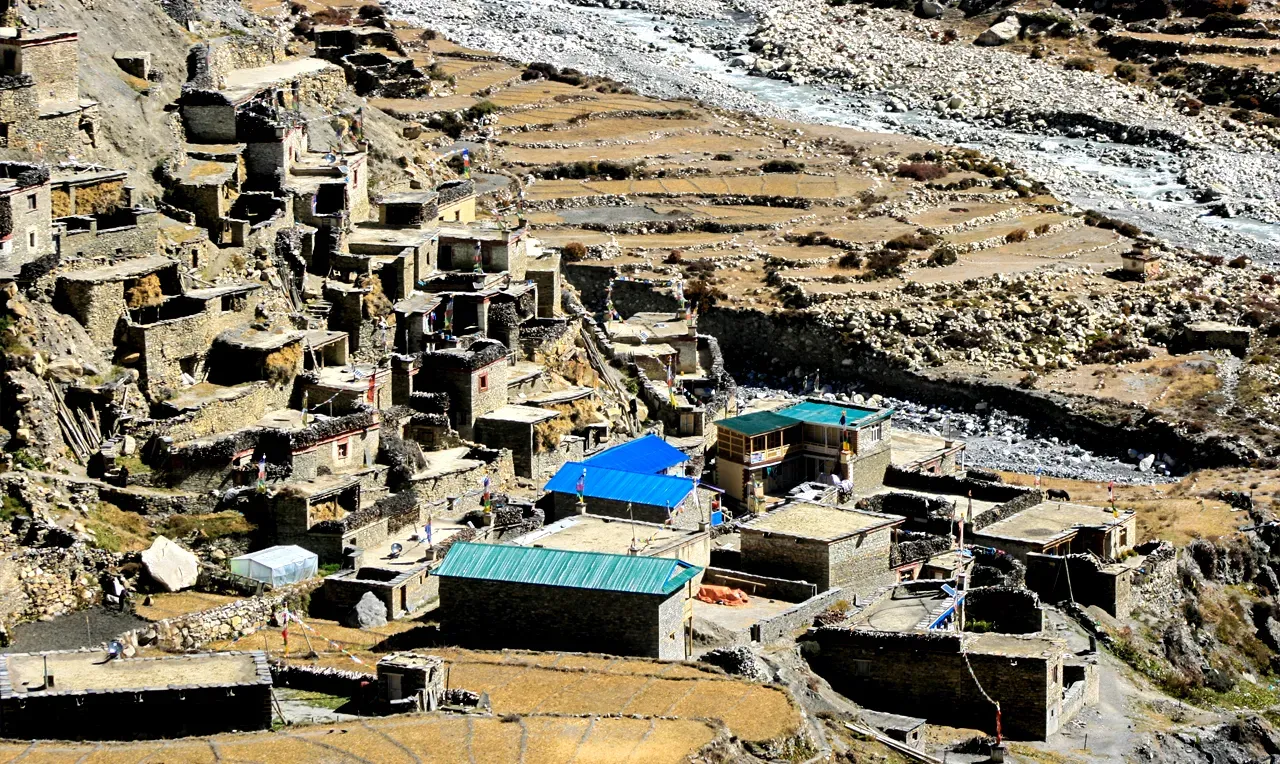
Opened to trekkers only in the early 2000s, the Nar Phu region has retained much of its traditional character. Stone-built villages, ancient monasteries, prayer flags, chortens, mani walls, and traditional agricultural practices remain important parts of local life. The surrounding landscape is equally impressive, ranging from pine and juniper forests to barren cliffs and high alpine valleys.
For adventurous travelers looking for spectacular mountain scenery, cultural discovery, and remote wilderness, the Nar Phu Valley Trek provides an unforgettable Himalayan experience.
Where Is the Nar Phu Valley?
Nar and Phu valleys are located in the Manang District of north-central Nepal. They lie north of the main Annapurna Circuit trail and close to the Tibetan border.
The valleys are surrounded by some of the most impressive mountains in the region. The landscape includes towering Himalayan peaks, rocky ridges, glaciers, deep river valleys, and high-altitude pastures.
Because of their geographical isolation, the valleys developed a distinctive cultural identity. Local communities have strong Tibetan Buddhist influences, and many traditions have been preserved for generations.
The remote location is one of the major attractions of the trek. Travelers can experience traditional Himalayan settlements and landscapes without the extensive tourist infrastructure found on some of Nepal’s better-known trails.
Why Choose the Nar Phu Valley Trek?
There are many reasons to choose the Nar Phu Valley Trek, especially for travelers who want something different from conventional Himalayan trekking.
One of the greatest attractions is solitude. The trail generally receives fewer visitors than the main Annapurna Circuit, allowing trekkers to enjoy a peaceful environment surrounded by mountains.
The cultural experience is equally important. The villages of Nar and Phu contain traditional stone houses, monasteries, prayer wheels, and religious monuments that reflect centuries of Himalayan Buddhist heritage.
The trek also provides remarkable geographical diversity. Lower sections pass through forests and river valleys, while higher areas become increasingly dry, rugged, and alpine.
Another attraction is the opportunity to cross the Kang La Pass, a high mountain pass offering spectacular views of the Annapurna range and surrounding peaks. Crossing the pass is one of the most challenging and rewarding sections of the journey.
Major Highlights of the Nar Phu Valley Trek
The Nar Phu Valley Trek combines natural beauty, cultural heritage, and adventure. Some of its major highlights include:
-
Remote and traditional villages of Nar and Phu
-
Dramatic Himalayan landscapes
-
Ancient Buddhist monasteries and chortens
-
Traditional stone houses and Tibetan-influenced architecture
-
Kang La Pass and panoramic mountain views
-
Deep river valleys and spectacular gorges
-
Alpine meadows and high-altitude landscapes
-
Views of Annapurna II, Gangapurna, Tilicho Peak, and other Himalayan peaks
-
Peaceful trails away from major trekking crowds
-
Opportunities to experience traditional mountain lifestyles
The journey is particularly rewarding for photographers because the scenery changes dramatically throughout the trek.
Nar Phu Valley Trek Route
The exact route can vary depending on the trekking itinerary and transportation conditions. The journey generally begins in Kathmandu and continues toward the Annapurna region by road.
Trekkers eventually reach the trail leading toward the Nar Phu valleys. The route follows rugged mountain paths through forests, river valleys, and narrow gorges.
As the trail moves deeper into the region, the landscape becomes increasingly remote. Traditional villages appear between towering cliffs, while Buddhist monuments and prayer flags provide reminders of the region’s cultural heritage.
Phu Village is one of the major highlights. Its traditional houses and dramatic location provide a fascinating glimpse into life in a remote Himalayan community.
After exploring Phu, the route generally continues toward Nar Valley. The trail climbs through increasingly rugged terrain before reaching the high Kang La Pass.
The crossing of Kang La requires careful preparation and favorable weather conditions. From the pass, trekkers can enjoy extensive views of the surrounding Himalayan peaks before descending toward the main Annapurna trekking corridor.
Depending on the itinerary, the journey may eventually connect with the Annapurna Circuit and continue toward Manang or another suitable exit point.
Difficulty of the Trek
The Nar Phu Valley Trek is generally considered a challenging trek. The route involves long walking days, steep climbs and descents, rocky terrain, high elevations, and a demanding mountain pass.
Good physical fitness is strongly recommended. Trekkers should prepare through regular hiking, long-distance walking, stair climbing, cardiovascular training, and strength exercises.
Previous high-altitude trekking experience is helpful, particularly because the route reaches elevations where altitude-related problems can occur.
Mental preparation is equally important. The remote environment means that facilities can be basic, and trekkers must be prepared for changing weather and limited services.
Maintaining a steady pace is essential. Travelers should avoid rushing and allow enough time for acclimatization.
Kang La Pass
One of the defining features of the Nar Phu Valley Trek is the crossing of Kang La Pass, which reaches an elevation of more than 5,000 meters.
The climb to the pass can be physically demanding, particularly because of the high altitude and steep terrain. Weather conditions can also change quickly at this elevation.
However, the reward is an extraordinary panorama of the Annapurna region. On clear days, trekkers can see several major Himalayan peaks rising above the surrounding valleys.
The descent from the pass can be steep and tiring, making trekking poles and appropriate footwear particularly useful.
Because of the altitude and demanding terrain, crossing Kang La should be attempted with an experienced guide and a properly planned itinerary.
Altitude and Acclimatization
Altitude is one of the most important considerations on the Nar Phu route.
The valleys and Kang La Pass reach high elevations, and trekkers need sufficient time to acclimatize. A professional itinerary should include gradual elevation gains and appropriate rest periods.
Common symptoms of altitude sickness can include headache, dizziness, nausea, fatigue, and difficulty sleeping. More serious symptoms require immediate attention.
Trekkers should communicate openly with their guide about how they are feeling. Descending to a lower altitude is an important response when serious altitude-related symptoms develop.
Adequate hydration, proper nutrition, sufficient sleep, and a slow pace can help support the body’s adjustment to altitude.
Best Time for the Nar Phu Valley Trek
The best seasons for the Nar Phu Valley Trek are generally spring and autumn.
Spring, from March to May, offers favorable trekking conditions, with warmer temperatures at lower elevations and beautiful vegetation. Rhododendron forests can add color to the lower sections of the route.
Autumn, from September to November, is another popular period. After the summer monsoon, skies are often clearer, providing excellent mountain visibility.
Winter can bring heavy snow to high passes and extremely cold temperatures. The Kang La crossing may become particularly difficult or inaccessible under severe conditions.
Summer coincides with Nepal’s monsoon season. Lower trails can become wet and slippery, while landslides and road conditions may affect transportation.
Culture and Traditional Lifestyle
Culture is one of the most memorable aspects of the Nar Phu Valley Trek.
The local communities have strong Tibetan Buddhist traditions. Monasteries, prayer wheels, chortens, mani walls, and prayer flags are visible throughout the villages.
Traditional houses are constructed from stone and designed to withstand the harsh Himalayan climate. Agriculture and animal husbandry remain important to local livelihoods.
In some areas, seasonal migration and traditional trade practices continue to influence village life.
Visitors should respect local customs and religious practices. Asking permission before photographing people and avoiding unnecessary disturbance around monasteries and religious objects are simple ways to demonstrate cultural respect.
Wildlife and Natural Environment
The Nar Phu region contains a diverse range of Himalayan ecosystems. Lower elevations feature forests containing pine, fir, juniper, and other vegetation, while higher areas transition into alpine meadows and rocky landscapes.
The wider Annapurna region provides habitat for numerous bird and animal species. Trekkers may encounter Himalayan birds and, with luck, wildlife such as blue sheep or other mountain animals.
Wildlife sightings are unpredictable, so travelers should focus on appreciating the landscape rather than expecting particular species.
Responsible behavior is essential. Visitors should maintain a safe distance from animals and avoid leaving waste along the trail.
Accommodation and Food
Accommodation along the Nar Phu route is generally basic. Local teahouses and homestays provide simple rooms in some villages, while more remote sections may have limited facilities.
Food usually consists of traditional Nepali and Tibetan-influenced dishes. Dal bhat, rice, lentils, vegetables, noodles, soups, potatoes, and local breads are common.
Trekkers should carry nutritious snacks such as nuts, dried fruits, energy bars, and chocolate for longer walking days.
Because temperatures can fall significantly at night, a warm sleeping bag and appropriate cold-weather clothing are important.
Permits and Guide Requirements
Nar and Phu are located within a restricted trekking area, so special permits are required. Permit requirements and fees can change, making it important to confirm the latest regulations before beginning the trek.
A licensed guide is strongly recommended and may be required depending on current regulations. An experienced guide can assist with navigation, accommodation, local communication, altitude management, and emergency decisions.
Travelers should also have travel insurance that covers high-altitude trekking and appropriate emergency evacuation.
Responsible Trekking
The remote environment of Nar Phu is fragile, so responsible tourism is essential.
Trekkers should minimize waste, avoid single-use plastics when possible, use established trails, and respect local environmental regulations.
Supporting local communities through locally operated teahouses, homestays, guides, and porters can help ensure that tourism contributes directly to the regional economy.
Cultural preservation should also be a priority. Visitors should treat monasteries, religious monuments, traditional homes, and local customs with respect.
What to Pack
A suitable packing list for the Nar Phu Valley Trek should include:
-
Comfortable, waterproof trekking boots
-
Warm base layers and fleece clothing
-
Insulated jacket
-
Waterproof and windproof outer layer
-
Trekking trousers
-
Warm gloves and hat
-
Sunglasses and high-SPF sunscreen
-
Sleeping bag suitable for cold conditions
-
Trekking poles
-
Reusable water bottles or hydration system
-
Headlamp
-
First-aid supplies and personal medication
-
Power bank
-
Lightweight backpack
Packing should be kept practical and lightweight. A porter can be useful for carrying heavier equipment during the trek.
Conclusion
The Nar Phu Valley Trek is an extraordinary journey into one of Nepal’s most remote and culturally fascinating Himalayan regions. Its combination of dramatic mountain scenery, traditional villages, ancient Buddhist heritage, high-altitude landscapes, and challenging mountain passes makes it an unforgettable adventure.
From the secluded settlement of Phu to the traditional village of Nar and the spectacular crossing of Kang La Pass, the trek offers experiences that are difficult to find on Nepal’s more commercial trekking routes. The sense of isolation and authenticity is one of the region’s greatest attractions.
Although the trek demands good physical preparation, careful acclimatization, suitable equipment, and experienced guidance, the rewards are considerable. Travelers can enjoy breathtaking mountain panoramas while learning about communities that have maintained their traditions in one of the world’s most challenging environments.
For adventurous travelers seeking solitude, cultural immersion, and spectacular Himalayan scenery, the Nar Phu Valley Trek provides an opportunity to explore a hidden corner of Nepal. With responsible planning and respect for the local environment and communities, this remarkable journey can become one of the most memorable trekking experiences in the Himalayas.