

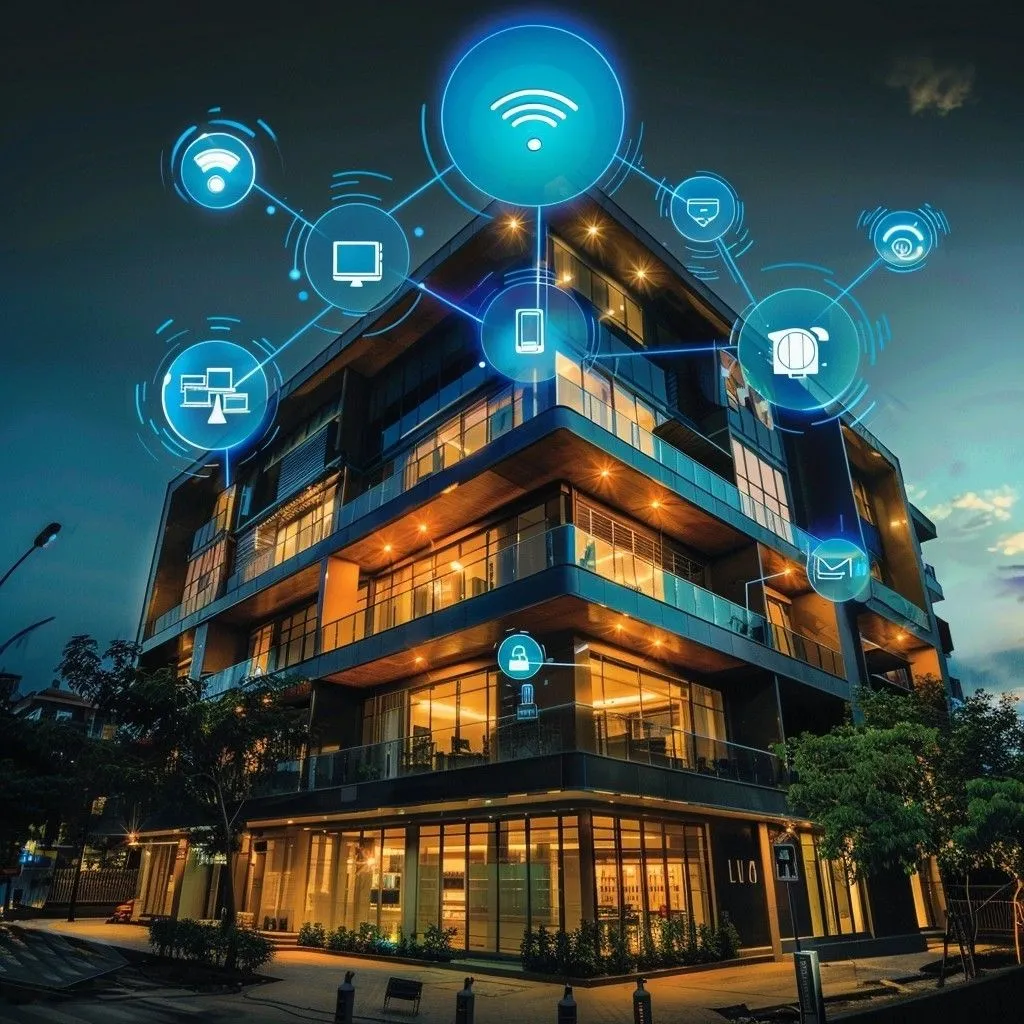
Smart homes and smart buildings are reshaping modern architecture by embedding intelligence, connectivity and efficiency into the built environment. In 2026, these systems have moved beyond simple automation to become integrated platforms that respond to occupants, optimize resources and support broader sustainability goals. The result is architecture that is more adaptive, comfortable and responsible.
The Rise of Intelligent Residential Spaces
A smart home uses connected devices and digital systems to manage lighting, temperature, security, appliances and energy use. Residents can control these functions through smartphones, voice interfaces or automated routines that learn from daily patterns. In 2026, the emphasis has shifted from individual gadgets to fully integrated systems that operate as a cohesive whole.
Artificial intelligence plays a growing role in personalization. Systems can adjust indoor conditions based on occupancy, time of day, weather and individual preferences. Home energy management solutions help balance consumption with renewable generation or storage, supporting lower utility costs and reduced environmental impact. Security features have also advanced, incorporating intelligent monitoring that distinguishes routine activity from potential concerns.
These capabilities align with broader architectural preferences for flexible, multifunctional spaces and features that support long-term living. Smart technology enhances comfort while enabling homes to operate more efficiently with less direct intervention from occupants.
Smart Buildings as Essential Infrastructure
In commercial and larger-scale settings, smart buildings have matured from optional upgrades into core infrastructure. Building management systems now coordinate heating, ventilation, air conditioning, lighting and other services using real-time data. The integration of artificial intelligence significantly improves performance. Research indicates that AI-enabled building management systems can reduce whole-building energy use by up to 22 percent compared with traditional controls.
These systems draw on occupancy patterns, weather forecasts, equipment performance and operational data to make continuous adjustments. The outcome includes lower energy consumption, reduced carbon emissions and decreased operating costs. Predictive capabilities allow facility teams to identify potential equipment issues before they lead to failures, supporting more reliable operations and longer asset life.
Edge computing and agentic AI are enabling faster, more autonomous responses at the building level. Unified intelligence platforms bring together data from multiple systems, creating a clearer operational picture and supporting better decision-making. Adaptive lighting and intelligent HVAC solutions are among the areas seeing strong adoption as owners seek measurable efficiency gains.
Sustainability and Regulatory Drivers
Energy efficiency and decarbonization remain central motivations. Buildings account for a substantial share of global energy-related emissions, making smarter operation a practical pathway toward climate targets. Smart systems help reduce demand, integrate renewable energy and support grid flexibility through features such as demand response.
Regulatory frameworks in various regions are accelerating adoption. Requirements related to energy performance are encouraging greater use of automation, metering and control systems, particularly in larger non-residential properties. These policies reinforce market demand for solutions that deliver both compliance and operational benefits.
Architecture itself is evolving in parallel. Adaptive facades that respond to sunlight and temperature, combined with passive design strategies, allow buildings to maintain comfort with lower mechanical energy use. Materials and design approaches that store carbon or support circular construction further align smart technology with regenerative goals.
Integration, Data and Human Experience
Successful smart environments depend on effective integration. Modern approaches move beyond simple device connectivity toward semantic models and digital representations of building systems. Standardized data frameworks help different components communicate meaningfully, enabling more advanced analytics and autonomous coordination.
For occupants, the value lies in improved comfort, convenience and indoor environmental quality. For owners and operators, the benefits include lower costs, better asset performance and stronger sustainability credentials. The technology works best when it remains largely invisible, supporting daily life and operations without requiring constant attention.
Challenges remain, including cybersecurity, data privacy, interoperability between systems and the need for skilled management. Addressing these issues is part of the ongoing maturation of the sector.
Looking Ahead
In 2026, smart homes and smart buildings represent a fundamental shift in how architecture serves people and the planet. Residential spaces are becoming more responsive and efficient, while larger buildings function as intelligent nodes within energy and urban systems. Artificial intelligence, connectivity and thoughtful design are converging to create environments that adapt in real time, reduce resource use and enhance quality of life.
The trajectory points toward greater autonomy, deeper integration with renewable energy and stronger alignment between building performance and environmental goals. As these technologies continue to develop, the buildings of the future will be defined not only by their form but by their ability to sense, learn and respond intelligently to the needs of those who use them.
Read more – wishdua.com